Get Moving – Towards Better Health
We all know that exercise is “good” for us to do, yet many people don’t fully realize how much “good” it does, how much or what to do, or how to prioritize it. In honor of April being Physical Wellness month, let’s take a dive, skip, and run into the world of what getting moving does for us and perhaps how we can do more of it!
The WHY
One of the most important points you should know about exercise is that for people who have 150 minutes of physical activity a week, they have a 33% lower risk of ALL causes of mortality. There are several direct and indirect reasons for this, but perhaps a bigger takeaway is it is hard to find a medicine, or medicines for that matter, that have that great of an impact. Furthermore, exercise doesn’t require a prescription or equipment and can be done anywhere!
Below is a table with more specific diseases that exercise helps reduce including not just heart disease, but cancers, musculoskeletal diseases, mental health disease, and help improving cognition. These findings have been shown over hundreds of meta-analyses.
Cardiovascular
- Cardiovascular disease reduction by 33% for those with have it at baseline, and 32-42% for those without it at baseline pending intensity.
- Stroke reduction by 33%.
- Lowers the risk of high blood pressure, diabetes, high cholesterol, metabolic syndrome by 25-33%.
- If time spent sitting is <3 hours a day, it is correlated with a 2-year increase in life expectancy.

Cancers
- Breast cancer: 12-21% lower risk.
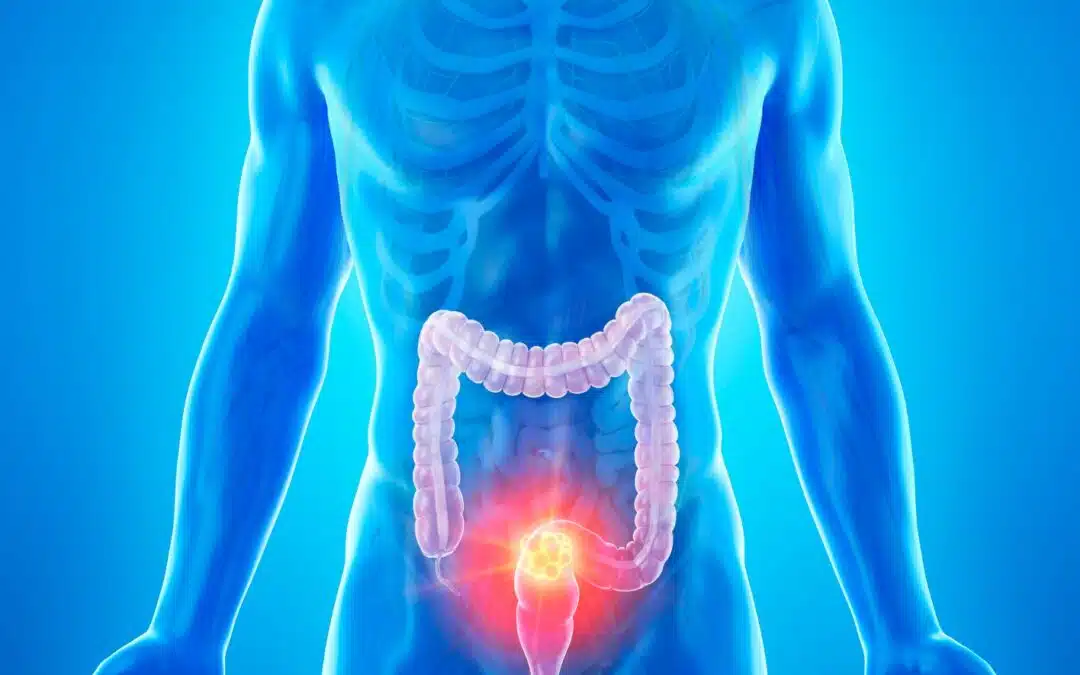
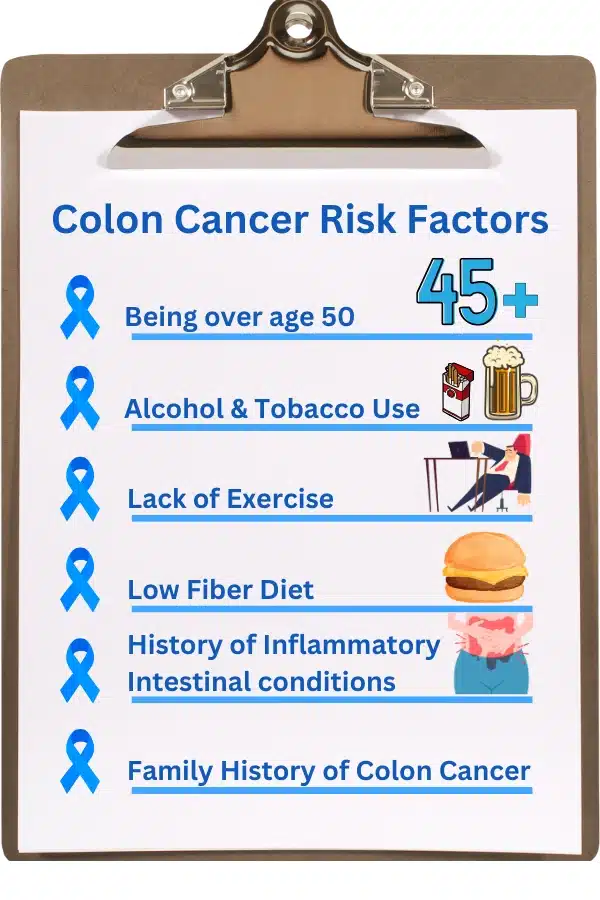
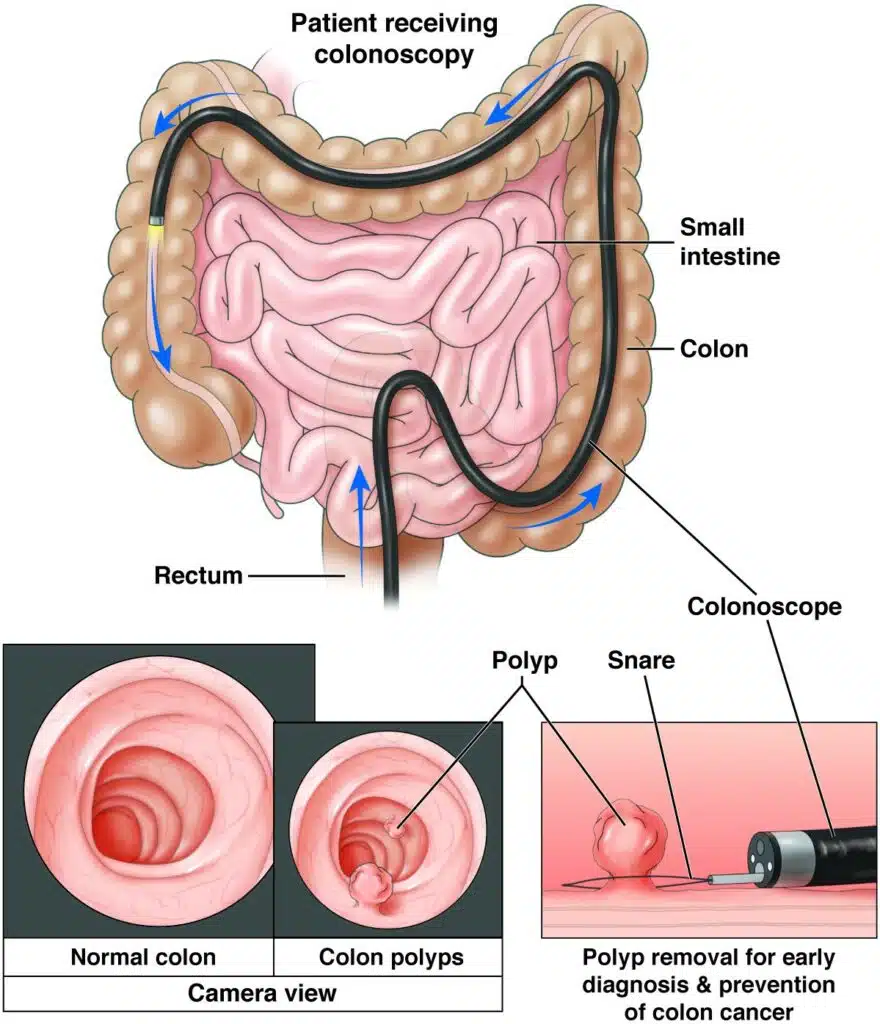
- Colon cancer: 19% lower risk.
- Endometrial cancer: 20% lower risk.
- Bladder cancer: 15% lower risk.
- Esophageal cancer: 21% lower risk.
- Renal cell carcinoma: 12-23% lower risk.
- Gastric cancer: 19% lower risk.
Brain
- Reduced stress.
- Increased interest in sex.
- Better sleep.
- Reduces risk of Alzheimer disease, and for those that have it slows the progression of the disease.
- Improves cognition (executive function, attention, memory, crystallized intelligence, processing speed).
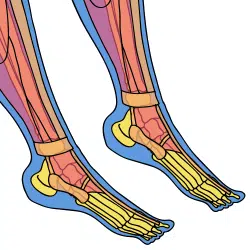
Bone & Muscle
- Slows the loss of bone density.
- Reduces risk of falls.
- Reduces the risk of fracture for those with osteoporosis by over 50%.
- Helps with arthritis and other rheumatic conditions.
Other
- Decreased risk of infections (i.e. 50% reduction in death from influenza and pneumonia).
- Reduced risk of kidney disease.
- Decreased risk of gallstones.
- Helps with smoking, alcohol and other addiction cessation.
*
The HOW
When it comes to exercise, it’s true that you can get benefits from many different types of exercise and so you should pick exercise that interests and works for you, but there are some important parameters to know so that you can optimize the above benefits.
According to the American College of Cardiology, the recommendations for how much to exercise is:
150 minutes a week at “moderate” exercise OR 75 minutes at “vigorous” exercise, ideally split into 3 or more days a week.
Moderate intensity exercise is when your average heart rate is approximately 70-80% of your max heart rate (your max heart rate being approximately 220-your age) or the “talk test” (you can’t sing, but you can “breathy talk”).
Vigorous intensity exercise is when your average heart rate is above 80% of your max heart rate (in comparison to above if you were to try to talk, your sentences would be broken from breathing).
It should be noted that breaking up your workout is considered just as effective as going straight through (i.e. three 10-minute walks are just as effective as one 30-minute walk) and that if you are not yet at the above exercise recommendations that it is wise to gradually work your way into that amount to reduce injury potential. The benefits of exercise are “dose dependent” so even some exercise is better than none. On the flip side, it is also worth mentioning that not much more of the above benefits are gained over 100 minutes of exercise a day, as it can lead to injury and harm.
Ideally with exercise we advise people to mix and match endurance and speed/power as most people tend to use too much slow twitch muscle versus fast twitch muscle. Interval or high intensity interval training (HIIIT) can help accomplish this and be especially good at helping with fast body changes, although it should also be noted that given the higher intensity of these workouts they should be limited to 2-3 times a week for most people.
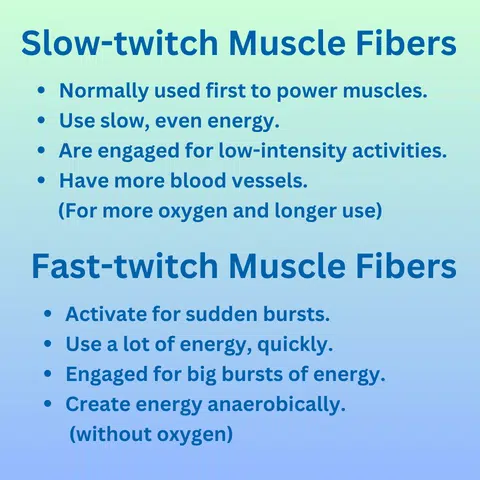
Lastly, we recommend incorporating at least 2 strength training days into the week. A basic example of this can look like 8-10 different body weight or weight exercises at 8-12 repetitions, but there are many variations, and some cardio workouts include strength training in them as well.
A few special populations:
*
Older Adults
It is never too late to become physically active and physical activity is one of the most important things you can do for your health as you age. It helps you stay independent longer so that you can do the things you want to do! In addition to the general population exercise recommendations above, flexibility and balance exercises become essential in this age group. Exercises to increase or maintain flexibility should be performed twice a week, ideally after aerobic or strength activities when the body is warmed up. Balance activities, which should also be done at least twice a week, help prevent falling and the risk of injuries.
For more information on what you can do to stay active, particularly if you have any physical barriers (i.e. arthritis), first ask your health care provider for individualized exercise recommendations, as well as about resources available in your community. You can also check with your insurance to see if any free or discounted programs are offered. Lastly, consider exploring more online resources here:
- Lakeview Family Medicine Physicians Exercise & Aging Article: Exercise and Aging | Lakeview Clinic
- US National Institute on Aging at the National Institutes of Health (NIH): https://www.nia.nih.gov/health/exercise-physical-activity
- PBS (free exercise videos): https://www.sitandbefit.org/
Pregnant Women
Pregnancy is an ideal time for lifestyle modifications for the sake of both mom and baby!
Here are some of the benefits of exercise during pregnancy:
- Reduces the ever-common musculoskeletal discomforts (i.e. low back, pelvic girdle).
- It helps avoid excessive gestational weight gain.
- Improves mood and mood-related comorbidities.
- Prevents urinary incontinence issues.
- Better fetal tolerance of labor.
- Reduces risk of developing gestational diabetes and pre-eclampsia.
- Reduction of macrosomia (large fetal head) and large for gestational age newborns.
- Possible reduction in risk of cesarean delivery.
- Possible reduction in duration of first stage of labor.
- Helps combat childhood obesity after baby is born.
Although there are many benefits to exercise during pregnancy, there are some changes that a pregnant mother needs to be aware of when exercising. Pregnant mothers should avoid activities with high risk of fall/belly injury, hot yoga/hot Pilates/other “hot” workouts, very strenuous activities, heavy lifting, high agility activities given more relaxed ligaments, and certain positions pending how far along they are in their pregnancy (i.e. avoiding prolonged supine positions the last half of pregnancy).
If you are pregnant and unsure what exercises you should or shouldn’t do, it is best to talk to your OB provider as some pregnant mothers need specific exercise restrictions or modifications based on underlying or acquired conditions during pregnancy.
The BARRIERS
The main reason people don’t exercise as much as they would like, is that they often have perceived barriers that make it more difficult for them to do so. Below is a chart of the most common ones that people report, as well as ideas to consider overcoming the specific barrier. That all being said, the best way for you to overcome your own barriers is to write down what your biggest barriers are, and then write down specific things you can do to overcome them to make exercise a priority. Using tools like journals, pedometers, apps to help stick to your goals, and having check-in points in the future to hold yourself accountable and stay on track have all been shown to help keep your success as well!
| Barriers | Tips to Counter Barriers |
| Time | Set a schedule, prioritize, utilize mornings. |
| Inconvenient | Try short 10-20 minute bursts. |
| Motivation | Consider the benefits. |
| Not enjoyable | Try different exercise options, classes, active hobbies. |
| Find exercise boring. | Try active games. |
| Lack confidence in ability to be active. | Utilize educational resources or a professional trainer. |
| Injury fears | Addresses physical restrictions and progress gradually. |
| Unable to set goals and monitor progress. | Seek assistance in setting small, short term and long-term goals. |
| Lack encouragement and support. | Involve friends and family. |
| Lack access to facilities within a convenient distance. | Consider options for walking at work or at home. |
If you have any questions about exercise or what you can do to improve your physical fitness in relation to your overall health, your Lakeview medical provider would love to hear from you!

Leah Clark, MD
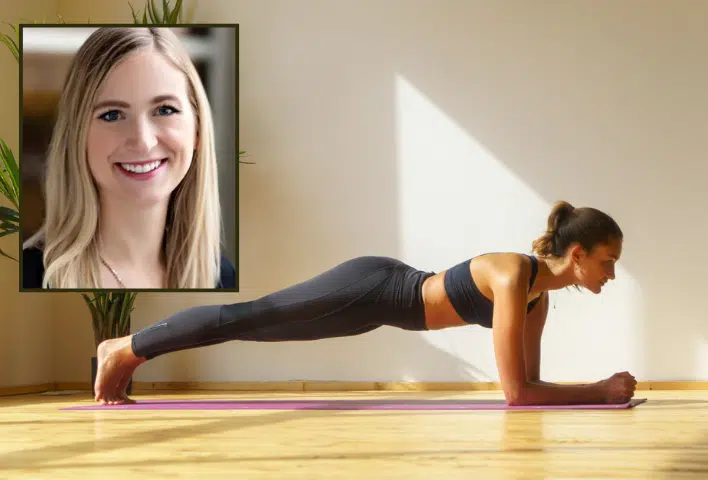
Dr. Leah Clark is a Family Medicine physician at Lakeview Clinic, was a multi-sport athlete in high school and 6-time All-American Track and Field athlete in college. She serves as the head of Lakeview’s Wellness committee and is an exercise and outdoor enthusiast. Dr. Clark also provides weight management care that includes a variety of options.